
What Is the South Africa Water Crisis and How Can Households Prepare?
The South Africa water crisis is becoming an increasing concern for households across the country. Reliable access to clean drinking water is no longer something many families can take for granted, making household preparedness more important than ever.
Water is one of South Africa’s most valuable resources, yet reliable access to clean drinking water has become increasingly uncertain in many communities.
Recent reporting has highlighted ongoing water supply challenges affecting parts of the Free State, North West and Limpopo provinces, where residents have experienced prolonged interruptions linked to ageing infrastructure, equipment failures, maintenance backlogs and difficult environmental conditions.
Although the severity of these challenges varies between municipalities, they highlight a broader issue facing the country: protecting household access to safe drinking water is becoming increasingly important.
For many families, preparing for water interruptions is no longer simply an emergency measure—it has become part of everyday household planning.
South Africa is naturally one of the world’s water-scarce countries. However, today’s water challenges are influenced by far more than rainfall alone.
A combination of factors places increasing pressure on municipal water systems, including:
When these issues occur together, communities may experience interruptions ranging from reduced water pressure to extended supply outages.
Although local municipalities continue investing in repairs and upgrades, infrastructure improvements often require significant time and resources.

Even relatively short disruptions can create unexpected challenges for families.
Common impacts include:
Businesses, schools and healthcare facilities may also experience operational challenges during prolonged outages.
Whenever water systems experience interruptions or infrastructure problems, many consumers naturally become more conscious of the quality of the water coming into their homes.
Municipal water suppliers work continuously to provide drinking water that meets regulatory standards. However, changes in supply conditions can affect taste, odour or consumer confidence.
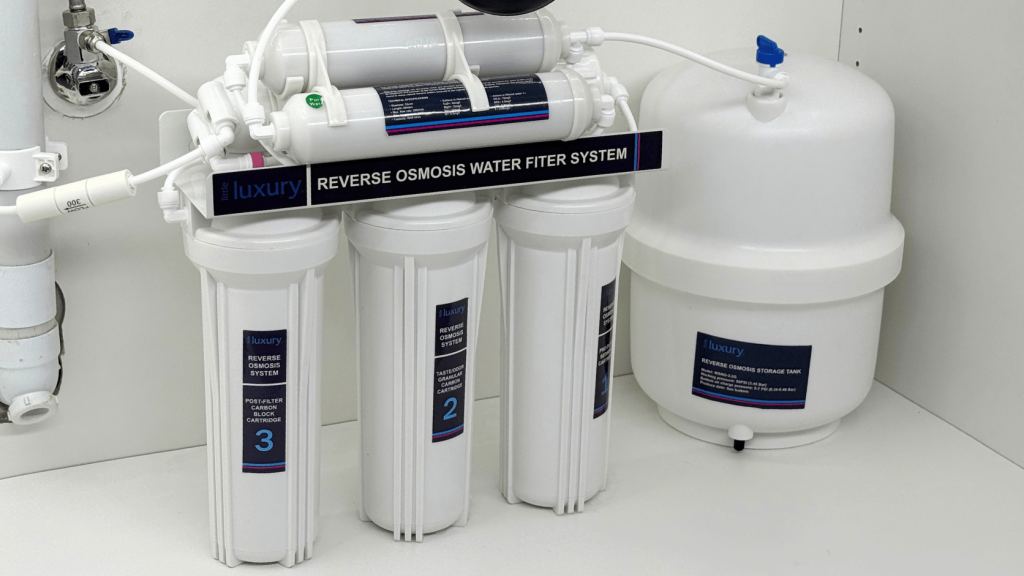
For this reason, many South African households choose to add an extra layer of protection by installing a home water filtration system.
A quality filtration system may help:
The appropriate filtration system depends on your home’s water source and your family’s specific needs.
While homeowners cannot control municipal infrastructure, they can take practical steps to improve their household’s water resilience.
Keep a supply of clean drinking water available for unexpected interruptions. Food-grade containers should be cleaned regularly and stored in a cool, shaded location.
Replacing cartridges according to the manufacturer’s recommendations helps ensure your filtration system continues operating effectively.
Follow announcements from your local municipality regarding planned maintenance, water restrictions and supply interruptions.
Being aware of scheduled outages allows families to prepare in advance.
Simple habits can make a meaningful difference, including:
Conserving water helps reduce unnecessary demand on already stressed systems.
A home water filtration system cannot prevent municipal water interruptions.
However, when water is available, it can provide households with convenient access to cleaner, better-tasting drinking water while helping reduce dependence on bottled water.
Many South African families choose filtration systems because they offer:
Choosing the right filtration system depends on your home’s water quality, available installation space and household water usage.
The South Africa water crisis is making water security an increasingly important consideration for households.
Preparing does not necessarily require major investments. Small, practical actions—such as maintaining your plumbing, storing emergency drinking water, conserving water and using quality filtration—can help families better manage unexpected disruptions.
Taking proactive steps today can provide greater confidence and convenience should future supply interruptions occur.
South Africa is classified as a water-scarce country. While conditions differ between regions, many municipalities face ongoing challenges related to infrastructure, maintenance and increasing demand.
Not every household has the same needs, but many homeowners choose water filtration to improve taste, reduce chlorine and provide an additional layer of confidence in their drinking water.
No. A filtration system treats water that is available. During supply interruptions, households should still keep emergency drinking water stored.
Practical preparation includes storing drinking water, maintaining plumbing and filtration systems, following municipal notices and reducing unnecessary water consumption.
Continue learning about improving your household water quality:
You can also explore Little Luxury’s range of home water filtration systems, replacement filter cartridges and drinking water solutions designed for South African households.
Little Luxury supplies premium home water filtration solutions that help families enjoy cleaner, better-tasting drinking water every day.
Our range includes water filter jugs, tap filters, under-sink filtration systems, reverse osmosis systems, replacement cartridges and countertop filtration products designed for South African homes.
This article references reporting by Daily Maverick in the article “Endless struggle: Water crisis deepens across Free State, North West, Limpopo,” published on 21 May 2026, which examines ongoing water supply challenges affecting communities across multiple South African provinces.
Original article:
https://www.dailymaverick.co.za/article/2026-05-21-endless-struggle-water-crisis-deepens-across-free-state-north-west-limpopo/
